
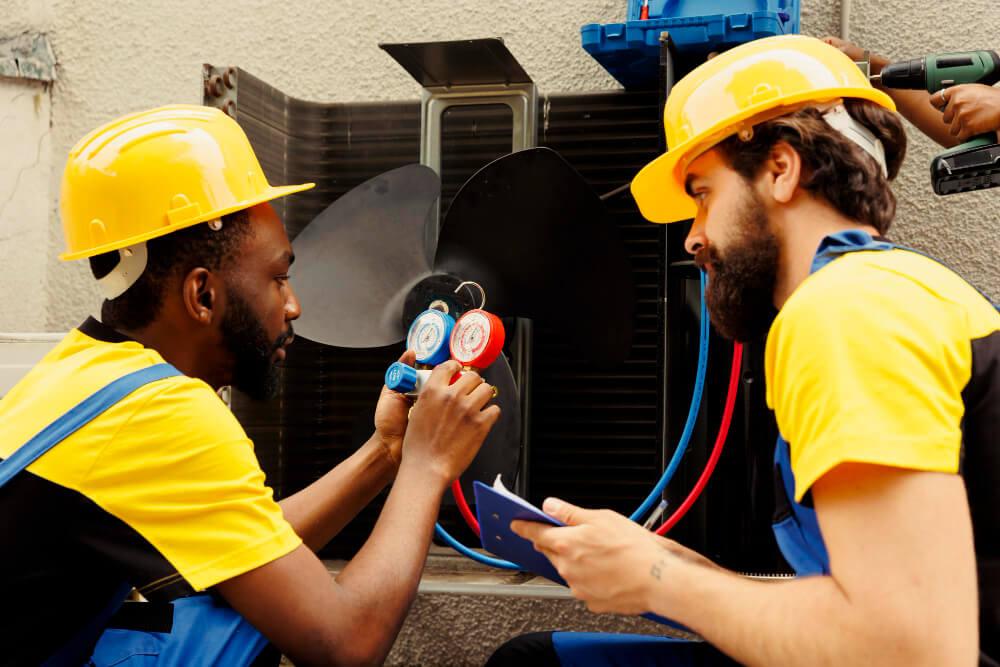
When plumbing problems arise in your home, it’s natural to wonder whether you can fix the issue yourself or if it’s best to call a professional plumber. Tackling minor plumbing issues on your own can save time and money, and many basic fixes are easier than you think. However, some plumbing problems require specialized tools, expertise, and a deep understanding of your home’s plumbing system to avoid turning a small issue into a major disaster. In this blog, we’ll explore five common plumbing repairs that most homeowners can handle themselves, as well as five complex plumbing problems that should be left to the pros to ensure the job is done correctly and safely.
Fixing a Leaky Faucet
A leaky faucet is one of the most common plumbing problems and one of the easiest to fix. Whether it’s a dripping bathroom sink or kitchen faucet, a worn-out washer or O-ring is often the cause. With basic tools like a wrench and screwdriver, you can disassemble the faucet, replace the damaged part, and put it back together. Not only does fixing a leaky faucet stop the annoying drip, but it also helps conserve water and reduces your water bill.
Unclogging a Drain
Slow or clogged drains are another frequent plumbing issue that homeowners can tackle on their own. Hair, soap scum, and food debris often cause blockages in bathroom and kitchen drains. Using a plunger is the simplest way to clear the blockage. For tougher clogs, a plumber’s snake or a homemade solution of baking soda and vinegar can be effective in breaking up the debris. Just remember to avoid chemical drain cleaners, as they can damage pipes over time.
Fixing a Running Toilet
A running toilet can waste gallons of water each day and inflate your water bill. Fortunately, the fix is usually straightforward. The issue often lies with the flapper inside the toilet tank, which may need adjusting or replacing. By turning off the water supply to the toilet, inspecting the tank components, and replacing the flapper or adjusting the chain, you can resolve the problem quickly and easily.
Replacing a Showerhead
If your showerhead is leaking, clogged, or no longer providing proper water pressure, replacing it is a simple DIY job. All you need to do is unscrew the old showerhead with an adjustable wrench, clean off any debris or mineral buildup on the pipe threads, and screw on a new one. This fix takes just a few minutes and can instantly improve your shower experience.
Fixing Minor Leaks in Pipes
Small leaks in visible pipes, such as those under sinks, can often be fixed with plumber’s tape or by tightening loose connections. If you spot a leak in a joint or pipe, wrapping the area with plumber’s tape or applying a pipe clamp can provide a temporary fix until a more permanent repair can be made. These minor leaks are manageable for homeowners, but if the leak worsens or is in an inaccessible area, it may require professional attention.
Burst Pipes
A burst pipe can lead to significant water damage and requires immediate professional attention. Whether caused by freezing temperatures, old pipe materials, or increased water pressure, fixing a burst pipe is a job for a licensed plumber. A professional will not only repair or replace the damaged pipe but also assess the surrounding areas for hidden damage, mold growth, or additional vulnerabilities in your plumbing system.
Sewer Line Blockages
Sewer line blockages can lead to backups, foul odors, and unsanitary conditions in your home. While you may be able to address minor drain clogs, sewer line issues often involve tree roots, collapsed pipes, or other serious obstructions that require specialized equipment. Professional plumbers use cameras to inspect the sewer line and industrial-strength tools to clear blockages or repair damaged pipes, ensuring your system is restored without causing further damage.
Water Heater Repairs or Replacements
Your water heater is a complex system, and attempting to repair or replace it yourself can be dangerous due to the risk of electrical issues, gas leaks, or improper installation. Professionals are trained to handle water heater repairs safely and efficiently. They can diagnose the problem, whether it’s a faulty heating element, thermostat, or corrosion, and either repair the existing unit or recommend a suitable replacement based on your home’s needs.
Repiping Your Home
Repiping a home involves replacing old or damaged pipes with new ones, which is a large-scale project requiring expertise in pipe materials, plumbing layout, and building codes. Whether your home has outdated galvanized pipes, or you’re dealing with frequent leaks due to corrosion, this is a job for professionals. A licensed plumber will ensure that the new pipes are installed correctly, are up to code, and provide long-lasting performance.
Gas Line Repairs
Gas line issues pose a serious safety hazard and should never be handled by homeowners. Whether you suspect a gas leak or need to install a new gas line for appliances, this type of work must be done by a professional plumber who is licensed to work with gas lines. Attempting to fix a gas line yourself can lead to dangerous leaks, fires, or explosions. Professionals have the necessary tools and expertise to complete gas line repairs or installations safely and according to regulations.
Knowing when to tackle a plumbing issue yourself and when to call a professional can save you time, money, and stress. While there are several DIY plumbing fixes you can handle, such as unclogging drains or replacing a showerhead, more complex problems like burst pipes, sewer line blockages, or gas line repairs should always be left to licensed plumbers. Attempting these repairs on your own can lead to costly mistakes or safety hazards. By recognizing the limitations of your plumbing skills and understanding when professional help is necessary, you can keep your home’s plumbing system running smoothly and avoid major disasters down the line.




5 Comments On This Post
John Mitchell
17 Sep 2024This blog post came at the perfect time! I’ve been putting off dealing with a slow drain in my bathroom for weeks because I wasn’t sure if it was something I could fix myself or if I needed to hire a plumber. Your clear and detailed advice gave me the confidence to try a DIY solution first, and I’m happy to report that it worked! The drain is flowing smoothly again, and I didn’t have to spend money on a service call. I also appreciated the section on regular maintenance to prevent bigger problems down the line. It’s easy to overlook routine plumbing checks, but after reading your post, I’ll definitely be more proactive. Thank you for such valuable content!
Lisa Williams
17 Sep 2024I’ve always been intimidated by plumbing issues, but after reading this blog post, I feel much more confident about tackling minor problems myself.
Kevin Miller
17 Sep 2024As someone who’s fairly handy around the house, I found this blog post incredibly useful. I’ve handled basic plumbing issues in the past, but it was great to get a refresher and learn a few new tricks. Your breakdown of the most common plumbing problems was spot on, and I especially appreciated the section on clogged drains and how to prevent them. I’ve had recurring issues with my kitchen sink clogging, but after reading your post, I think I understand what’s been causing it and how to fix it for good. It’s also nice to know when it’s time to call in a professional. Thanks for the well-rounded advice!
Olivia Thompson
17 Sep 2024This blog is such a valuable resource!
David Rogers
17 Sep 2024This was an excellent read!