
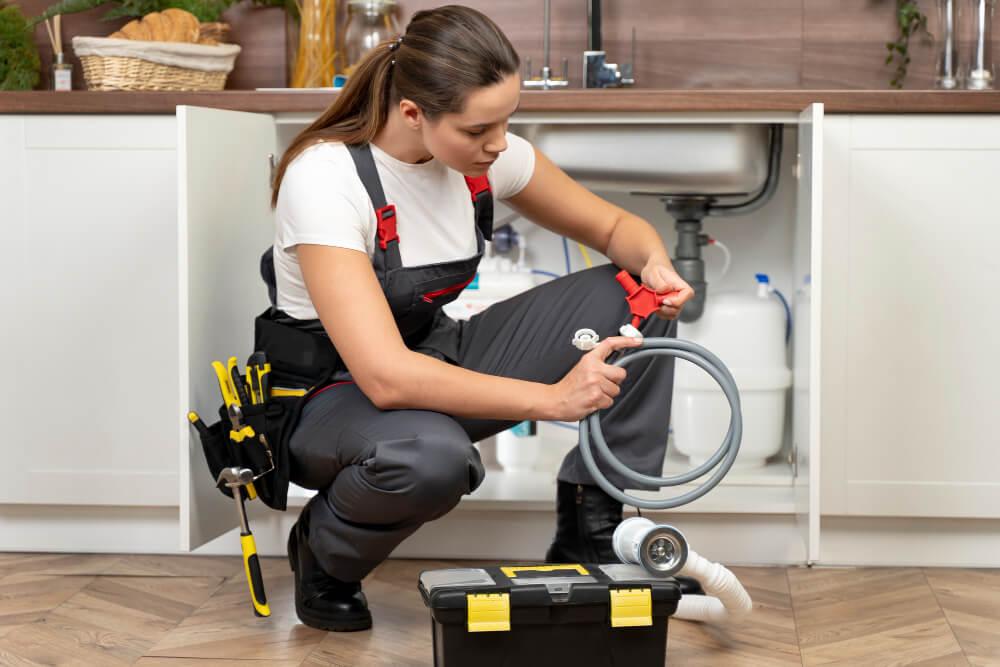
Plumbing problems often start small, but when left unchecked, they can lead to significant damage, expensive repairs, and major disruptions to your daily life. Many homeowners only notice plumbing issues when they become severe, but the key to preventing these larger problems is early detection. By understanding the warning signs and addressing minor issues before they escalate, you can save yourself time, money, and frustration. In this blog, we’ll explore how to identify the most common plumbing issues early, so you can take the necessary steps to resolve them before they turn into costly disasters.
A slow drain is often one of the first signs of a plumbing issue. Whether it’s in your kitchen sink, bathroom sink, shower, or tub, slow drainage usually indicates a partial blockage. This could be caused by a buildup of hair, soap scum, grease, or food particles. While a slow drain may seem like a minor inconvenience, it can worsen over time and lead to a complete blockage. If you notice water pooling in your sinks or tubs, it’s time to take action.
How to Address It:
Low water pressure can be an early indicator of several plumbing issues, from sediment buildup in your pipes to leaks in the system. It’s important to note whether the low pressure is affecting just one fixture or your entire home. If the problem is widespread, it could be related to your water supply or plumbing system as a whole. Left unaddressed, low water pressure can signal a hidden leak, which could lead to water damage and mold growth.
How to Address It:
Water stains on your walls or ceilings are a clear sign that something is wrong with your plumbing. These stains are often caused by leaks in hidden pipes, and the water seeping through your walls or ceiling can lead to mold, mildew, and structural damage. Even if the stain is small, it’s essential to act quickly to prevent further damage.
How to Address It:
If you hear banging, rattling, or gurgling sounds coming from your pipes, it’s a sign that something isn’t right. These noises can be caused by water hammer (a condition where water pressure causes pipes to bang), air bubbles in the pipes, or even blockages. Ignoring these sounds can result in pipe damage or failure, which may require extensive repairs.
How to Address It:
A sudden spike in your water bill without a clear explanation could indicate a hidden leak. Leaks can occur anywhere in your plumbing system, from dripping faucets to underground pipes. Even a small, undetected leak can waste hundreds of gallons of water per month, driving up your utility costs and causing unseen damage over time.
How to Address It:
A constantly running toilet is not only annoying but also a major water waster. This issue is often caused by a faulty flapper, a worn-out fill valve, or improper float levels. While it may seem like a minor problem, a running toilet can waste up to 200 gallons of water per day.
How to Address It:
A dripping faucet or showerhead may not seem like a big deal, but over time, it can waste a significant amount of water. Leaky faucets are often caused by worn-out washers or O-rings, and while the fix is usually simple, ignoring the issue can lead to increased water bills and potential water damage.
How to Address It:
If you notice a foul smell coming from your drains or around your home, it could be a sign of a sewer line issue. Sewer odors can indicate a crack in the sewer line, a dry trap, or a venting problem. If left unchecked, sewer line issues can cause serious health hazards and extensive damage to your property.
How to Address It:
If your water heater isn’t providing hot water like it used to, or if you notice strange noises coming from the unit, it’s a sign that something may be wrong. Sediment buildup, faulty heating elements, or a failing thermostat can cause water heater problems. Ignoring these issues can result in reduced efficiency, higher energy bills, and ultimately, a breakdown of the unit.
How to Address It:
If your home has old or corroded pipes, you may experience frequent leaks, low water pressure, or discolored water. Over time, pipes can deteriorate due to age, corrosion, or mineral buildup. Failing to address old or damaged pipes can lead to major plumbing issues and water damage.
How to Address It:
Identifying plumbing problems early can save you from costly repairs and major headaches down the road. By keeping an eye out for common warning signs like slow drains, low water pressure, strange noises in your pipes, and unexplained water stains, you can take action before a minor issue turns into a major disaster. Regular maintenance and prompt attention to potential plumbing problems are key to keeping your home’s plumbing system in top condition. If you’re unsure about any issue or feel overwhelmed, it’s always a good idea to call a professional plumber to assess and resolve the problem before it escalates.




3 Comments On This Post
Emily Davis
17 Sep 2024This blog has quickly become one of my go-to resources for home maintenance tips, and this post on plumbing didn’t disappoint! I especially appreciated how you broke down which plumbing issues are safe to tackle on your own versus those that require professional intervention. It’s always tempting to try and save a few bucks by fixing things myself, but I now realize that some problems, like major pipe leaks, should always be left to the experts. The environmental impact of even small leaks was eye-opening too—I had no idea how much water (and money!) was going down the drain because of a simple dripping faucet. Thanks for raising awareness and helping homeowners like me stay on top of maintenance!
Daniel Cooper
17 Sep 2024I’ve been following your blog for a while now, and I have to say, the posts just keep getting better! This one, in particular, was very helpful as I’ve been noticing some strange noises coming from my pipes recently.
Sarah Johnson
17 Sep 2024Great insights! The section on preventing clogs was very helpful. I didn’t realize how much buildup could occur in pipes over time. Thanks for the tips!