

Water is one of the most precious resources on our planet, yet it’s easy to take it for granted—especially when it’s as simple as turning on the tap. However, what many homeowners don’t realize is that even the smallest plumbing issue, like a leaky faucet, can have a significant environmental impact over time. While a drip every few seconds might seem like a minor nuisance, it adds up quickly, wasting hundreds or even thousands of gallons of water each year. And the environmental consequences go far beyond just the water waste. In this blog, we’ll explore the deeper impact of leaky faucets and why addressing small plumbing issues promptly is not only good for your home but also essential for the health of the environment.
At first glance, a dripping faucet doesn’t appear to be a major problem. A small drip every few seconds—what’s the harm? Let’s put it into perspective. According to the U.S. Environmental Protection Agency (EPA), a faucet that drips once per second can waste over 3,000 gallons of water annually. This is the equivalent of taking over 180 showers or running your dishwasher more than 300 times. When you consider that many households have more than one leaky faucet or other plumbing issue, the cumulative water waste becomes staggering.
Multiply that by the millions of homes around the world, and the global environmental impact becomes clearer. In an era when water scarcity is a growing concern in many regions, this unnecessary waste of clean, potable water represents a serious environmental threat.

The impact of leaky faucets extends far beyond just the water that goes down the drain. Let’s examine the broader environmental consequences of even the smallest leaks.
Water doesn’t magically appear at your faucet. It must be sourced, treated, and transported to your home, all of which requires energy. When water is wasted through leaks, all the energy used to treat and deliver that water is also wasted. According to the EPA, water heating alone accounts for about 18% of a home’s energy use. In the case of hot water leaks, energy waste increases as your water heater continually works to replace the hot water that’s lost through the leak.
Every drop of water wasted contributes to higher energy consumption, and that energy often comes from non-renewable sources, such as fossil fuels. This adds to the overall carbon footprint of your household. Fixing leaks not only saves water but also reduces your household’s energy usage and greenhouse gas emissions.
Many regions already face water shortages, and as populations grow, the demand for clean water increases. Leaky faucets contribute to the depletion of local water supplies, especially in areas where water resources are already stressed. In some places, excessive water consumption can lead to restrictions, higher water prices, and conflicts over water rights.
In addition to draining local water supplies, water waste puts unnecessary strain on municipal water infrastructure. Water treatment facilities and distribution networks must work harder to compensate for the water that’s wasted. Over time, this can lead to increased wear and tear on the system, higher operational costs, and the need for more frequent repairs and upgrades. Fixing a leaky faucet helps ease the burden on your local water utility and reduces the need for costly infrastructure improvements.
It’s easy to assume that water is an abundant resource, but that’s not the case everywhere. According to the World Health Organization (WHO), over 2 billion people live in countries experiencing high water stress. In places like California, Australia, and parts of Africa, droughts and depleted water supplies have become a pressing issue, affecting agriculture, industry, and daily life.
Even if you live in an area where water shortages aren’t a current concern, the global nature of water use means that waste in one region can have far-reaching impacts. For example, industries reliant on water may face production challenges, leading to economic ripples that affect goods and services worldwide.
By fixing small leaks in your home, you’re doing your part to conserve a resource that’s increasingly under threat. Every drop counts—literally.
Aside from the environmental consequences, a leaky faucet can have a noticeable impact on your wallet. Most homeowners don’t realize just how much a small leak can drive up their water bill. Over time, even a seemingly insignificant drip can result in hundreds of extra dollars in water expenses each year.
Fixing a leaky faucet is often a simple and inexpensive task that can save you significant amounts of money in the long run. It’s a small investment with big returns, both financially and environmentally.
If fixing a leaky faucet is so easy and beneficial, why do so many homeowners put it off? The answer often lies in the perceived insignificance of the problem. Many people don’t realize how much water is being wasted because the leak seems small or infrequent. It’s easy to ignore, and other household tasks often take priority.
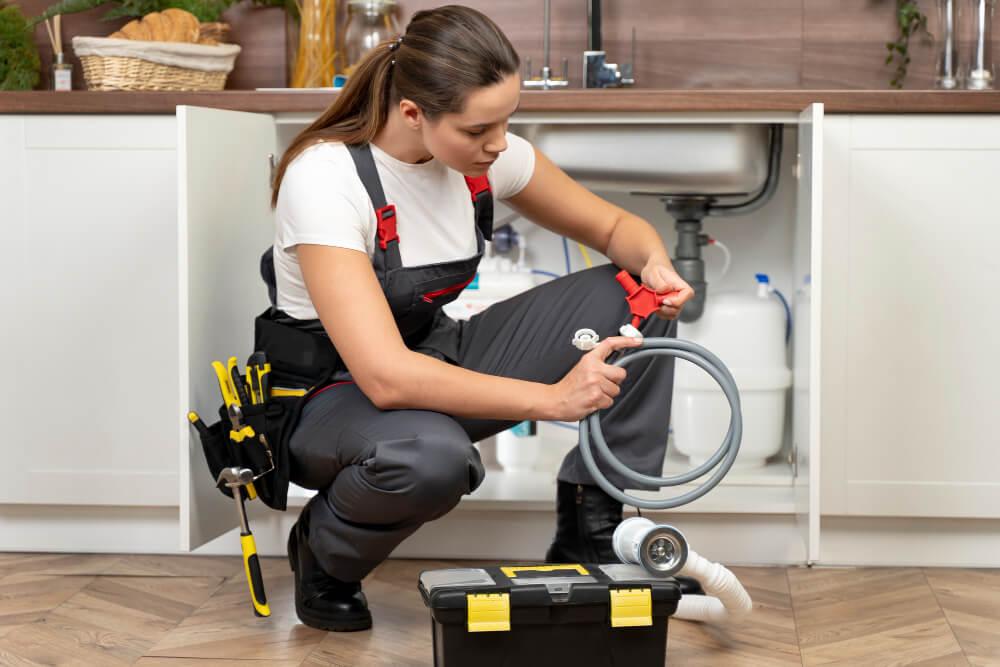
Additionally, some homeowners may be intimidated by plumbing repairs or unsure of how to fix the issue themselves. However, in most cases, all that’s needed is a simple replacement part, such as a washer or O-ring, and a few basic tools. For those who are uncomfortable with DIY repairs, calling a plumber is a quick and effective solution.
The environmental impact of water waste is about more than just saving money—it’s about being a responsible steward of the planet’s resources. Small actions, like fixing a leaky faucet, can collectively make a big difference. By addressing minor plumbing issues promptly, you’re helping to ensure that future generations have access to clean, abundant water.
Here’s why fixing small issues matters for environmental stewardship:
Fixing a leaky faucet is usually a quick, easy, and inexpensive solution that homeowners can tackle on their own. Here’s a simple guide to help you get started:
If you’re unsure about making the repairs yourself, don’t hesitate to call a professional plumber. They can fix the problem quickly and ensure that no other issues are lurking in your plumbing system.
Leaky faucets might seem like a minor inconvenience, but their environmental impact is anything but small. From wasting thousands of gallons of water to contributing to increased energy use and carbon emissions, even the tiniest leaks can have far-reaching consequences. The good news is that fixing a leaky faucet is often simple and cost-effective, and it has a direct positive impact on both your household budget and the environment.
By addressing small plumbing issues promptly, you’re playing a part in water conservation, reducing your carbon footprint, and helping to protect our planet’s valuable resources. So, the next time you hear that drip, take action—every drop really does matter.




2 Comments On This Post
Sarah Johnson
17 Sep 2024This post was exactly what I needed! I’ve been dealing with minor plumbing issues in my home for a while now, and I’ve always been hesitant to call a plumber for fear it would cost me a fortune. The advice you provided on DIY fixes for common problems like clogged drains and leaky faucets was incredibly clear and practical. I’ve already tried a few of the methods you mentioned, and I’m happy to report that they worked like a charm! It’s empowering to know which problems I can handle on my own and when to call in the experts. Thanks for providing such valuable information in an easy-to-understand way!
Michael Lee
17 Sep 2024I can’t tell you how much I appreciate this blog post. As a first-time homeowner, plumbing has always been a bit of a mystery to me. Your step-by-step approach to identifying common plumbing issues before they become major problems was exactly what I needed. The tip about checking water pressure was particularly useful because I’ve been noticing some changes in the pressure at my house and wasn’t sure if it was normal or a sign of something bigger. Now I feel confident I can troubleshoot the issue myself before calling a professional. Thanks for taking the time to explain things in a way that’s accessible for those of us without a lot of technical knowledge!